Kashmir & Ladakh Tour Packages 2025 — Family, Honeymoon & Adventure | JKL Travels
By: JKL Travels – KashmirTravels | November 2025
Table of Contents
-
Introduction
-
Safety & Perception: Is Kashmir Safe to Travel in 2025–26?
-
Recent Security Developments
-
Travel Advisories & Ground Reality
-
Tips for Responsible Travel
-
-
Pilgrimage & Policy Events
-
Amarnath Yatra Planning & No-Fly Zone
-
Permits & Legal Requirements
-
Travel Advisory for Pilgrims
-
-
Permits & Entry Rules for Ladakh
-
Inner Line Permit (ILP) Changes
-
Protected Area Permits (PAP) for Foreigners
-
How to Apply & Fees
-
-
Seasonality & Best Time to Visit
-
Kashmir Seasonality: Spring, Summer, Winter
-
Ladakh Circuit Windows: Leh, Nubra, Pangong
-
Climate Risks & Planning Tips
-
-
Popular Ladakh Attractions
-
Pangong Tso & Day Trips
-
Nubra Valley & Camping
-
Khardung La & High-Altitude Passes
-
Tso Moriri, Hanle & Offbeat Circuits
-
Leh Town, Monasteries & Night Activities
-
-
Must-Visit Kashmir Experiences
-
Srinagar Sightseeing: Dal Lake, Mughal Gardens, Houseboats
-
Gulmarg: Gondola, Skiing & Cable Car
-
Pahalgam, Sonamarg & Betaab Valley
-
Kashmir Trekking & Photography Spots
-
-
Package Types & Sample Itineraries
-
Kashmir Tour Packages & Pricing
-
Ladakh Tour Packages: Budget to Luxury
-
Combined Kashmir + Ladakh Packages
-
Honeymoon, Family, Bike Trip & Adventure Options
-
Last-Minute Deals & Regional Packages (From Delhi, Mumbai)
-
-
Travel Logistics
-
How to Reach: Flights, Rail, Road
-
Leh Airport & Srinagar Airport Transfers
-
Road Status Updates: Manali-Leh, Nubra-Pangong Route
-
Acclimatization Tips for High Altitude
-
-
Accommodation & Stay Options
-
Kashmir Houseboats & Shikara Rides
-
Ladakh Homestays, Camps & Luxury Tents
-
Recommended Hotels & Budget Options
-
-
Cost Breakdown & Budgeting
-
Typical Prices for Packages (2025–26)
-
Transport, Food, Permits & Miscellaneous Costs
-
Tips to Save Money
-
-
Responsible & Sustainable Tourism
-
Environmental Concerns
-
Water Stress, Glacial Melt & Community Impact
-
How Tourists Can Help
-
-
Frequently Asked Questions (FAQs)
-
Schema Markup (for Rich Results)
-
Conclusion & Call to Action
Introduction
Jammu & Kashmir and Ladakh are among India’s most mesmerizing and spiritually rich destinations. From snow-capped mountain passes to pristine lakes, from Mughal-era gardens to nomadic high-altitude villages — these regions offer a kaleidoscope of natural beauty and cultural heritage. In recent years, travel to these areas has evolved rapidly: security protocols, permit systems, road conditions, and seasonal access have all seen significant change. As a senior travel consultant and copywriter, this guide provides you a deep dive into planning your Kashmir & Ladakh trip in 2025–26 — with up-to-date facts, safety advice, sample itineraries, and smart tips to make your journey unforgettable (and safe).
Safety & Perception: Is Kashmir Safe to Travel in 2025–26?
Recent Security Developments
Tourism in Jammu & Kashmir has faced renewed scrutiny following security incidents. In 2025, after a tragic attack on pilgrims in Pahalgam, over half of Kashmir’s tourist spots were reportedly closed as part of a security review by the government.
This incident triggered intense debate and concern among travelers, particularly those visiting for pilgrimage or leisure.
The Jammu & Kashmir administration responded by tightening security, especially for the Amarnath Yatra, putting in place stricter protocols to safeguard pilgrims.
Travel Advisories & Ground Reality
-
While many tourist sites are now accessible, security measures remain robust in the more sensitive pilgrimage and border areas.
-
Some closures might be temporary or conditional, so it’s critical to check government advisories and consult your travel agent close to your departure.
-
Locals emphasize: Listen to on-ground intelligence (from guides, drivers, police) — the situation can change fast.
Tips for Responsible Travel
-
Use trusted tour operators who have experience in J&K and Ladakh.
-
Register with local authorities, if required, especially for remote travel or specific circuits.
-
Travel with care, not complacency: respect local customs, adhere to rules, and avoid sensitive discussions.
-
Stay insured: high-altitude travel involves unique risks; ensure your policy covers evacuation, medical emergencies, and trip disruptions.
Also Read | Houseboat Stay in Srinagar – Ultimate Guide to Dal Lake Luxury (2025 – 2026)
Pilgrimage & Policy Events
Amarnath Yatra Planning & No-Fly Zone
-
The Amarnath Yatra route has been declared a No-Fly Zone in 2025 (from 1 July to 10 August), prohibiting drones, balloons, and similar aerial devices.
-
This measure aims to bolster security after recent tensions and ensure pilgrims’ safety.
-
As a pilgrim, you must coordinate with authorized Yatra operators, book early (permits are limited), and follow the protocols strictly.
Permits & Legal Requirements (Amarnath)
-
In addition to Yatra-specific permits, travelers should stay informed of state and central regulations, including time-bound access, night travel restrictions, and vehicle rules.
-
Always carry identification, confirmed Yatra booking, and a printed copy of your permit.
-
Ensure you are using registered Yatra tour operators who are authorized by the J&K authorities.
Travel Advisory for Pilgrims
-
Register with local Yatra registration offices or through official portals.
-
Be prepared for crowded trails: during peak Yatra, basic accommodation might be sparse; book in advance.
-
Altitude sickness can be a concern; include rest days in your plan.
-
Given the no-fly zone, aerial travel options are limited — rely on ground transport.
Permits & Entry Rules for Ladakh
One of the most important practical aspects of a Ladakh trip is understanding permits. These have changed in recent years, so accurate and current info is vital.
Inner Line Permit (ILP) Changes
-
As of August 2021, the Ladakh administration removed the ILP requirement for all Indian nationals to visit many previously restricted tourist circuits.
-
That means domestic tourists no longer need to apply for ILP for major attractions like Nubra Valley, Pangong Tso, Tso Moriri, and Khardung La.
-
However, a green/environment fee (typically ₹300) and a Red Cross fund fee (₹100) still apply.
-
Some extremely remote or border-sensitive areas may still have restricted access.
Protected Area Permits (PAP) for Foreigners
-
Foreign nationals still need a Protected Area Permit (PAP) or a special permit for certain regions.
-
According to the Ladakh Tourism FAQs, this permit may require application 8 weeks in advance, depending on the area.
-
Some border zones (e.g., Chushul, Hanle, Marsimik La) have stricter scrutiny.
How to Apply & Fees
-
ILPs can be applied online at the Ladakh Administration permit portal.
-
For domestic tourists: provide ID proof (Aadhaar, voter card, etc.), fill the form, pay the nominal fees (green fee + red cross).
-
For foreigners: submit passport, visa copy, completed form — sometimes via a registered travel agent.
-
Some permits allow a validity of up to 15 days for foreign tourists under the extended rule.
Key Permit Areas in Ladakh
Restricted areas that typically needed permits:
| Area | Permit Required (now) | Notes |
|---|---|---|
| Nubra Valley / Khardung La | ILP removed for Indians; PAP for foreigners | Popular tourist region |
| Pangong Tso | Same as above | Checkpoints at Durbuk / Tangtse for verification |
| Tso Moriri / Changthang | ILP removed for some tourists, but remote spots still restricted | High-altitude region requires special planning |
| Border zones (Hanle, Chushul, Umling La) | PAP / special permit continues | Highly sensitive, strategic areas |
Also Read | How to Plan Your First Trip to Kashmir – Ultimate 2025 Travel Guide
Seasonality & Best Time to Visit
Choosing when to travel to Kashmir and Ladakh is critical. The weather, road access, and scenery change drastically with the seasons.
Kashmir Seasonality: Spring, Summer, Winter
-
Spring (April–May): One of the best times. Gardens are in bloom (like Mughal Gardens), weather is pleasant, and sightseeing is ideal.
-
Summer (June–August): Peak tourist season. All roads open, lakes accessible, but prices are higher and places may be crowded.
-
Autumn (September–October): Cooler, fewer tourists, and scenic autumn foliage. A great time for photography.
-
Winter (December–February): Snowfall, frozen lakes, skiing in Gulmarg. However, many roads may close, and some high-altitude areas are inaccessible.
Ladakh Circuit Windows
-
June–September: The most reliable window when high-altitude passes (Khardung La, Chang La) are open and weather is stable.
-
Late May & Early October: Shoulder season. Roads can open late or close early depending on snow.
-
Winter (Nov–Apr): Very challenging. Many passes are snowbound. The Manali-Leh highway is closed in winter 2025 per BRO / local authorities.
-
Altitude & Acclimatization: Even in summer, altitude sickness (AMS) remains a risk; build rest days into your itinerary.
Climate Risks & Planning Tips
-
High-altitude climate is unpredictable: rain, snow, and water crossings can disrupt roads suddenly.
-
For Nubra → Pangong route, recent traveler reports show the Shyok route remains unstable, with river swelling and submerged roads.
-
Travelers on bikes especially highlight water crossings on Wari-La and rocky patches.
-
Real-time updates matter — check road status and local advice 1–2 days before the planned travel.
Also Read | Kashmiri Cuisine: Traditional Recipes & Culinary Guide
Popular Ladakh Attractions
Here, we dive into the must-see places, offbeat spots, and special experiences in Ladakh.
Pangong Tso & Day Trips
-
Pangong Tso (Lake): One of the most iconic high-altitude lakes. Known for its changing colors (blue to emerald) and dramatic backdrop. A day trip from Leh is very common, but many prefer to stay overnight for the magical sunrise.
-
Permits & Checkpoints: Even though ILP is removed for many Indian tourists, you’ll encounter army / tourist checkpoints at Durbuk, Tangtse, etc.
-
Best times: June to early October. Outside these months, the access can be risky due to snow or unstable roads.
Nubra Valley & Camping
-
Nubra Valley includes Diskit, Hunder, Sumoor, and other villages. Famous for its sand dunes, Bactrian camels, monasteries, and serene landscapes.
-
Camping: There are several camps (tented or luxury) around Hunder with sand-dune views — perfect for stargazing and desert-like nights.
-
Route Notes: The traditional route via Khardung La is accessible in peak season. However, alternate routes like Shyok Valley are sometimes disrupted due to water flow.
-
Travelers’ Insight: According to Reddit reports, Nubra → Pangong via Shyok is unreliable and may force detours via Wari-La or even back via Leh.
Khardung La & High-Altitude Passes
-
Khardung La (Pass): One of the highest motorable passes in the world. A drive here provides panoramic Himalayan views.
-
Challenges: Slushy, muddy road patches are common, especially early in season; bikers report skidding and advise using engine braking.
-
Other passes: Chang La (en route to Pangong), Wari La (alternate route), and more remote passes for offbeat adventure tours.
Tso Moriri, Hanle & Offbeat Circuits
-
Tso Moriri: A remote, serene lake in the Changthang region. Fewer crowds, high altitude, and a soulful landscape.
-
Hanle: Famous for its astronomy observatory and dark-sky reserve. Highly recommended for stargazing circuits.
-
Umling La / Marsimik La: Very high and sensitive border zones; require special permits and are riskier.
Leh Town, Monasteries & Night Activities
-
Leh: The heart of Ladakh. Visit Leh Palace, Shanti Stupa, local markets, monasteries like Thiksey, Hemis, Shey.
-
Night in Leh: Cold desert nights are ideal for star photography. There are homestays and camps that allow you to relax under the Milky Way.
-
Altitude Tip: First two days in Leh should be light (rest, walk, acclimatize) before going on long day trips.
Also Read | Bagh-e-Gul-e-Dawood: Kashmir’s New Autumn Jewel Blossoms in Srinagar
Must-Visit Kashmir Experiences
Kashmir is often described as “Paradise on Earth” — and for good reason. Here’s how to make the most of it.
Srinagar Sightseeing: Dal Lake, Gardens & Houseboats
-
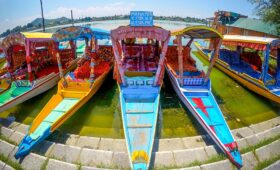
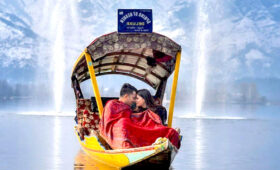
Dal Lake: Stay in a traditional houseboat, take shikara rides, and watch the floating market at dawn.
-
Mughal Gardens: Visit Shalimar Bagh, Nishat Bagh, Chashme Shahi — beautifully landscaped, rich in history.
-
Old City: Explore the markets, local wooden architecture, more than just tourist areas.
Gulmarg: Gondola, Skiing & Cable Car
-
Gondola Ride: One of the highest cable cars in the world; gives breathtaking Himalayan views.
-
Skiing (Winter): Gulmarg is a premier skiing destination. For winter packages, this is a big draw.
-
Summer Trekking: Meadows of Gulmarg are alive with wildflowers, perfect for walking or pony rides.
Pahalgam, Sonamarg & Betaab Valley
-
Pahalgam: Scenic valley, pine forests, and a base for the Amarnath Yatra.
-
Sonamarg: Meadows, glacial streams, and trekking start point for Thajiwas Glacier.
-
Betaab Valley: Named after “Betaab” movie; lush valley, scenic landscapes that are very Instagrammable.
Kashmir Trekking & Photography Spots
-
Trekking: Trails like Lidder Valley, Kolhoi Glacier, and Aru Valley are popular for adventure seekers.
-
Photography: Sunrise at Dal Lake, autumn foliage in Pahalgam, winter snowfall in Gulmarg, reflection shots at Wular Lake — photographers will find no shortage of settings.
Also Read | 10 Hidden Places in Kashmir That Promise Fairy-Tale Charm and Snowy Serenity
Package Types & Sample Itineraries
To convert inspiration into bookings, you need concrete packages. Here are sample package ideas, segmented by traveler type and budget, plus realistic itineraries.
Kashmir Tour Packages & Pricing
-
5-day Kashmir Tour: Srinagar (houseboat + garden) → Gulmarg → Pahalgam → Sonamarg → departure.
-
Kashmir Honeymoon Package: Romantic houseboat stay, shikara ride, sunrise photography, private transport.
-
Kashmir Family Package: Inclusive of kid-friendly activities, meadow visits, pony rides, day hikes.
Typical cost range (2025): Approximately ₹30,000–70,000 per person (depends on accommodation, transport, season).
Ladakh Tour Packages: Budget to Luxury
-
Budget Ladakh Package: 6–7 days, shared taxi or group jeep, basic guesthouses, day trips to Pangong/Nubra.
-
Leh-Ladakh 4 Nights Package: Arrive in Leh, day trips to Nubra & Pangong, local monastery tour, acclimatization days.
-
Luxury Ladakh Package: High-end camps (glamping), private taxi, gourmet meals, stargazing experiences.
Estimated cost (2025):
-
Budget: ~ ₹25,000–45,000 per person
-
Mid-range: ~ ₹50,000–90,000
-
Luxury: ₹1,00,000+ (depending on inclusions)
Combined Kashmir + Ladakh Packages
-
9–10 Day Kashmir + Ladakh Tour: Srinagar → Gulmarg → Pahalgam → Leh → Nubra → Pangong → Leh
-
12-Day Comprehensive Circuit: Add offbeat places like Tso Moriri, Hanle, and local village visits.
-
Honeymoon Special: Houseboats in Srinagar + romantic camps in Ladakh + stargazing nights.
Adventure & Bike Trip Packages
-
Leh Ladakh Motorcycle Tour: Self-drive on Royal Enfield or Himalayan; route includes Khardung-La, Nubra, Pangong.
-
Cheap Ladakh Tour Packages 2025: For backpackers who share taxis, stay in guesthouses.
-
Last Minute Deals: From Delhi or Mumbai, via tour operators who specialize in quick group trips.
Regional & Themed Packages
-
Kashmir Weekend Packages from Mumbai / Delhi: 3–4 days, focused on Srinagar + Gulmarg.
-
Luxury Kashmir Houseboat Packages: High-end stay, local cuisine, private boat rides.
-
Family Ladakh Package: Kid-safe itineraries, rest days, gentle sightseeing.
Also Read | Celebrate Love, Laughter & New Beginnings in Kashmir — A Magical Christmas & New Year Escape
Travel Logistics
Getting to and around the region, and managing altitude, are crucial parts of planning.
How to Reach: Flights, Rail, Road
-
By Air: Srinagar Airport (Sheikh ul-Alam) connects to Delhi, Mumbai, and other metros. Leh Airport (Kushok Bakula Rimpochee) has flights from major Indian cities.
-
By Rail: There is no direct rail to Leh; the nearest major railway is Jammu / Udhampur / Srinagar (Srinagar’s rail connectivity is limited / under development).
-
By Road:
-
Srinagar–Leh Highway (Zojila Pass): Open in summer; the primary route for many.
-
Manali–Leh Highway: According to recent updates, closed for 2025–26 season due to ice or risk.
-
Leh Airport & Srinagar Airport Transfers
-
Pre-book airport pick-up / drop-off with your tour operator for smooth experiences.
-
In Leh, due to altitude, first day pickups are often tailored to allow acclimatization.
Road Status Updates: Key Routes
-
Nubra → Pangong: The Shyok Valley route is currently unstable, submerged in parts, per recent traveler reports.
-
Alternate route via Wari La is being used by some, but has water crossings, narrow patches.
-
Specific travel days may face road closures due to events; e.g., on certain days in September, roads are closed for Ladakh Marathon.
Acclimatization Tips for High Altitude
-
Take it slow: First 24–48 hrs in Leh should be light — avoid strenuous activities.
-
Stay hydrated: Drink plenty of water; avoid alcohol.
-
Medication: Talk to your doctor about AMS remedies (e.g., Diamox), or bring oxygen saturation monitor.
-
Rest days: Plan rest or short sightseeing in Leh before venturing to high-altitude lakes.
Also Read | Honeymoon in Kashmir – Anniversary in Paradise – Family Get-together in Kashmir – Friends Outing in Kashmir
Accommodation & Stay Options
Where you stay is a big part of the experience — and the cost.
Kashmir Houseboats & Shikara Rides
-
Houseboats on Dal Lake: Iconic, romantic, and deeply Kashmiri — these are floating hotels with traditional woodwork.
-
Shikara Rides: Customize for morning sunrise, private rides, or floating markets.
Ladakh Homestays, Camps & Luxury Tents
-
Guesthouses / Homestays in Leh & Nubra: Offer a personal touch, local food, and budget-friendly rates.
-
Camps at Pangong or Nubra: From basic tents to glamping setups — many support stargazing and bonfires.
-
Luxury Tents / Eco Camps: More premium options with comfortable beds, attached washrooms, and curated meals.
Recommended Hotels & Budget Places
-
Leh: Several mid-range hotels near Leh market or monasteries.
-
Srinagar: Boutique houseboats / lakeside hotels; budget guesthouses in old city.
-
Gulmarg / Pahalgam: Resorts and lodges depending on season; winter ski lodges are available.
Cost Breakdown & Budgeting
Here’s a breakdown of what to budget for, realistic costs, and money-saving tips.
Typical Costs (2025–26)
-
Flights: Depends on origin; domestic to Srinagar / Leh can be ₹5,000–20,000+ (round trip) depending on city and season.
-
Accommodation: Houseboats (~₹5,000–15,000/night), Camps (~₹2,000–8,000), Hotels variable.
-
Transport: Shared taxis, jeeps, or bike rentals. For circuits, taxi + driver for 6–7 days could be ₹20,000–50,000 / person (shared).
-
Permits: Environment fee ~₹300 + Red Cross ~₹100 (for ILP-removed areas). PAP cost for foreigners varies.
-
Food: Average local meals may cost ₹200–1,500 per meal depending on place.
-
Miscellaneous: Fuel, guide fees, activities, tip buffer, contingency (~10–20% of total trip cost).
Tips to Save Money
-
Travel off-peak (shoulder season) when accommodation and transport are cheaper.
-
Use shared taxis / group jeeps instead of private vehicles.
-
Book early, especially for houseboats and camps.
-
Negotiate or choose local guesthouses / homestays.
-
Carry snacks / water for long drives — reduces on-the-road cost.
Also Read | Kashmir: Where Every Trip Feels Like a Story — Ultimate Travel Guide for Romance, Adventure & Family
Responsible & Sustainable Tourism
Tourism in Kashmir & Ladakh is not just about breathtaking landscapes; it’s also about fragile ecosystems and cultural wellbeing.
Environmental Concerns
-
Water stress & Glacier Melt: The upper Himalayas are facing water shortages due to climate change. Villages are being abandoned and traditions under threat.
-
Plastic Pollution: As tourism grows, the risk of plastic waste, pollution, and environmental degradation rises.
-
Infrastructure Impact: New roads (tunnels, highways) will make remote regions accessible but may strain local resources.
How Tourists Can Help
-
Carry reusable bottles, avoid single-use plastics.
-
Support eco-friendly accommodations: camps that follow minimal-waste practices.
-
Respect local culture: follow guidelines, avoid sensitive border zones unless permitted.
-
Use certified guides and local operators: ensure the economic benefits reach local communities.
-
Leave no trace: especially in fragile mountain terrain.
Frequently Asked Questions (FAQs)
Here are some common traveler questions with clear answers:
Q: Is Kashmir safe to travel in 2025?
A: While there have been security incidents, many tourist circuits remain open with enhanced security. Travel via trusted operators, stay updated with government advisories, and follow local guidance.
Q: Do Indian tourists need an Inner Line Permit for Ladakh now?
A: No — as of August 2021, ILP is no longer required for many key tourist areas for Indian nationals.
Q: Do foreign tourists need a permit for Ladakh?
A: Yes – foreign nationals typically require a Protected Area Permit (PAP) for certain high-altitude or sensitive regions.
Apply in advance through the official portal or a registered travel agent.
Q: What is the status of road between Nubra Valley and Pangong?
A: The Shyok Valley route has seen flooding and instability recently. Alternate route via Wari La is sometimes used, but report water crossings and narrow stretches.
Q: When is the best time to visit Ladakh?
A: The optimal window is June to September, when high-altitude passes are open and weather is favorable.
Q: How to minimize altitude sickness risk?
A: Acclimatize in Leh for 1–2 days, stay hydrated, avoid alcohol, rest, and consider AMS medication if advised by your doctor.
Also Read | Jammu, Kashmir & Ladakh Travel Guide 2026 | Honeymoon, Adventure & Budget Tours
Book Now ! Celebrate Forever
Jammu & Kashmir and Ladakh remain among the most magical and transformative destinations in India. With the right planning — understanding the current permit system, road conditions, safety advisories, and seasonal windows — your trip can be not just memorable, but deeply meaningful.
Whether you are:
-
a pilgrim planning the Amarnath Yatra
-
a photographer chasing alpine lakes and Himalayan passes
-
a couple looking for a honeymoon in houseboats and highland camps
-
an adventure rider on a bike trip across Khardung La and Nubra
-
or a family seeking a peaceful retreat in the mountains
… there is a perfect Kashmir-Ladakh package waiting for you.
-
Contact us today for a custom trip plan — tell us your budget, travel dates, and interests.
-
Get a free pre-trip safety & permit consultation from our experts.
-
Book early for peak season (June–August) to secure accommodations like houseboats, camps, and guesthouses.
Note: All information in this article is based on the latest publicly available sources and traveler reports as of November 2025. Regulations, road access, and permit rules can change — always double-check with official websites, local authorities, or trusted tour operators before planning your trip.