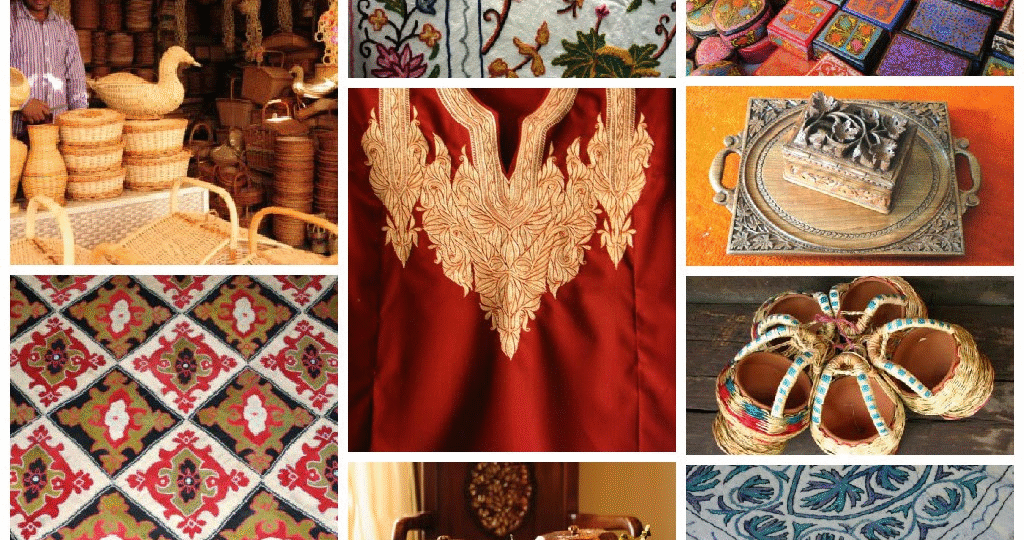
Explore Kashmir’s Soul: A Handicraft & Heritage Shopping Guide
By: JKL Travels | October 2025
Kashmir is not just a destination—it’s a living museum of artistry, emotion, and legacy. From the intricate folds of a Pashmina shawl to the delicate brushstrokes of paper mache, every Kashmiri craft tells a story of resilience, beauty, and cultural pride. This guide takes you deep into the heart of Kashmir’s artisan traditions, helping you shop meaningfully and ethically while supporting local craftspeople.
Pashmina Shawls: The Crown Jewel of Kashmiri Craftsmanship
Pashmina isn’t just wool—it’s heritage woven into warmth. Derived from the undercoat of Changthangi goats in Ladakh, authentic Pashmina is hand-spun, hand-woven, and hand-embroidered by skilled Kashmiri artisans.
What Makes It Special?
- Ultra-fine fiber (12–16 microns) softer than cashmere
- Handwoven on traditional looms in Srinagar
- Often embroidered with Sozni or Tilla work
How to Identify Authentic Pashmina
- Burn test: real Pashmina smells like burnt hair
- No synthetic shine or machine stitching
- Certified by GI (Geographical Indication) tags
Where to Buy
- Zaina Kadal & Lal Chowk, Srinagar: Home to heritage Pashmina stores
- Craft Development Institute (CDI): Offers certified pieces directly from artisans
Also Read | Why Kangris Remain Kashmir’s Go-To Heating Solution This Winter
Walnut Wood Carving: Kashmir’s Architectural Soul in Miniature
Kashmiri walnut wood carving is a centuries-old tradition that transforms the region’s indigenous walnut trees into masterpieces. From furniture to jewelry boxes, every piece is a testament to patience and precision.
Craft Techniques
- Naqash: Surface carving with floral motifs
- Jali: Lattice work for screens and panels
- Khatam-band: Geometric ceiling designs
Popular Items
- Mirror frames, trays, pen stands, and wall panels
- Custom furniture for weddings and heritage homes
Where to Buy
- Budshah Chowk & Residency Road: Artisan-run shops
- Government Arts Emporium: Quality-assured pieces
Paper Mache: Delicate Art with a Bold Legacy
Born from recycled paper and layered with vibrant paints, Kashmiri paper mache is both eco-friendly and culturally rich. It’s often confused with papier-mâché, but Kashmir’s version is more intricate and symbolic.
Craft Process
- Sakhtsazi: Molding and drying the base
- Naqashi: Painting with natural pigments and gold leaf
Popular Products
- Vases, Christmas ornaments, jewelry boxes, lamp shades
- Shikara miniatures and elephant figurines
Where to Buy
- Hazratbal & Nishat: Artisan families with generations of expertise
- Online platforms: Look for GI-certified sellers
Namda Rugs & Gabba Embroidery: Woolen Warmth with Folk Flair
Namda is a felted wool rug, often embroidered with vibrant floral patterns. Gabba, on the other hand, is recycled wool stitched into patchwork quilts and floor coverings.
Craft Highlights
- Namda is made by felting wool with soap and water
- Gabba uses chain stitch embroidery for bold designs
Where to Buy
- Rainawari & Downtown Srinagar: Local cooperatives
- Kashmir Government Handicrafts Showroom
Also Read | Winter in Kashmir: Why Phari (Smoked Fish) is the Season’s Must-Have Delicacy
Kani Shawls: Woven Poetry from Kanihama
Kani shawls are woven using wooden needles called “kanis,” each representing a color-coded pattern. These shawls are so intricate that a single piece can take months to complete.
Craft Legacy
- Mentioned in Mughal records and worn by emperors
- Each shawl can have over 1000 color-coded kanis
Where to Buy
- Kanihama village: Direct from weavers
- CDI & Handloom Development Corporation
Tilla & Sozni Embroidery: Threads of Royalty
Tilla embroidery uses metallic threads—gold or silver—to embellish bridal wear and shawls. Sozni, on the other hand, is a fine needlework done with silk threads.
Craft Usage
- Tilla: Bridal pherans, shawls, and wedding accessories
- Sozni: Pashmina shawls, stoles, and kurtas
Where to Buy
- Zaina Kadal & Rajbagh: Boutique stores and artisan homes
Also Read | Unlocking the Secrets of Kashmiri Cuisine: The Magic of Dried Cockscomb Flower (Mawal)
Copperware (Kandkari): Kitchenware with Cultural Depth
Kashmiri copperware isn’t just functional—it’s ceremonial. From samovars to serving trays, these items are engraved with floral and calligraphic motifs.
Craft Process
- Hand-hammered and engraved using chisels
- Often used in Wazwan feasts and weddings
Where to Buy
- Zaina Kadal & Maharaj Gunj: Copper artisan clusters
Willow Wicker: Sustainable Craft from Nature
Willow wicker products are made from the flexible twigs of the willow tree, found near Dal Lake and Bandipora. These are lightweight, durable, and eco-friendly.
Popular Items
- Baskets, picnic hampers, lamp shades, and trays
Where to Buy
- Bandipora & Dal Lake markets
Where to Shop: Artisan Hubs & Heritage Markets
Top Shopping Spots
- Lal Chowk & Residency Road: Central shopping district
- Zaina Kadal: Historic artisan quarter
- CDI Srinagar: Certified artisan products
- Government Arts Emporium: Quality-assured handicrafts
- Online Platforms: Look for GI-tagged sellers and fair-trade listings
Also Read | The Walnut: Nature’s Tiny Powerhouse Unveiling a Symphony of Health Benefits
Gifting Kashmiri Handicrafts: Meaningful, Memorable, Ethical
Kashmiri crafts make for unforgettable gifts—whether it’s a wedding, anniversary, or corporate gesture. They carry emotional weight, cultural symbolism, and ethical value.
Gift Ideas
- Pashmina stoles for winter weddings
- Paper mache ornaments for festive décor
- Walnut wood trays for housewarming
- Copper samovars for tea lovers
Meet the Makers: Stories Behind the Craft
Behind every craft is a family, a legacy, and a struggle. Many artisans in Kashmir work without recognition, battling market fluctuations and political instability.
How to Support
- Buy directly from artisan cooperatives
- Promote GI-certified products
- Share their stories on social media
Online Shopping Tips: Authenticity & Ethics
What to Look For
- GI tags and artisan certifications
- Transparent pricing and origin details
- Ethical sourcing and fair-trade labels
Trusted Platforms
- Kashmir Store
- CDI Srinagar
- CraftsBazaar
- Kashmir Bazar
- Amazon India (GI-certified sellers)
- Kashmir Box
Craft Trails & Artisan Workshops: Travel with Purpose
For travelers seeking more than souvenirs, Kashmir offers immersive craft trails and artisan workshops. These experiences allow you to witness the making of Pashmina shawls, walnut wood carvings, and paper mache art firsthand—while supporting local livelihoods.
Recommended Craft Trails
- Kanihama (Kani Shawls): Watch master weavers at work and learn about the symbolic language of “Talim” (weaving codes).
- Zaina Kadal (Wood & Copper): Explore the old city’s maze of artisan homes and workshops.
- Hazratbal (Paper Mache): Visit family-run studios where generations have painted floral motifs with natural pigments.
- Bandipora (Willow Wicker): See how raw willow is transformed into elegant baskets and trays.
How to Book
- Through local travel operators like JKL Travels
- Via government-supported craft circuits
- Directly with artisan cooperatives (many now offer WhatsApp booking)
Understanding GI Tags & Ethical Shopping
A Geographical Indication (GI) tag is a certification that a product originates from a specific region and possesses qualities or a reputation due to that origin. Kashmir’s GI-tagged crafts include:
- Pashmina Shawls
- Kani Shawls
- Sozni Embroidery
- Walnut Wood Carving
- Paper Mache
- Namda Rugs
Why GI Tags Matter
- Protect artisans from mass-produced imitations
- Ensure buyers receive authentic, high-quality products
- Support sustainable livelihoods and cultural preservation
How to Verify
- Look for GI tags or QR codes on product labels
- Ask for artisan or cooperative certification
- Buy from government emporiums or verified sellers
Also Read | Saffron, Spice & Everything Nice: Your Ultimate Guide to Kashmir’s Iconic Dishes & Hidden Gastronomic Gems
Packing & Shipping: Taking Kashmir Home
Many Kashmiri crafts are delicate and require careful packing. Here’s how to ensure your treasures reach home safely:
Packing Tips
- Pashmina & Kani Shawls: Wrap in muslin or acid-free paper
- Paper Mache: Use bubble wrap and rigid boxes
- Walnut Wood & Copperware: Double-box with padding
- Namda Rugs: Roll, don’t fold
Shipping Options
- Local courier services (Speed Post, DTDC, Blue Dart)
- Artisan cooperatives often offer insured shipping
- Online sellers provide tracking and return policies
Cultural Etiquette: Shopping with Respect
Shopping in Kashmir is not just a transaction—it’s a cultural exchange. Respect and curiosity go a long way.
Do’s
- Greet with a warm “Asalam-u-Alaikum” or “Namaskar”
- Ask about the story behind the craft
- Bargain politely—it’s part of the culture
Don’ts
- Don’t photograph artisans without permission
- Don’t compare handmade items to factory goods
- Don’t haggle aggressively in cooperatives or GI-certified stores
Seasonal Shopping Guide: What to Buy When
Kashmir’s seasons influence both the availability and appeal of certain crafts. Here’s a quick guide:
| Season | Best Buys | Why It’s Ideal |
|---|---|---|
| Spring (Mar–May) | Paper mache, willow wicker, copperware | Pleasant weather, artisan festivals |
| Summer (Jun–Aug) | Pashmina stoles, Gabba quilts | Lighter versions for gifting |
| Autumn (Sep–Nov) | Walnut wood, Namda rugs, Sozni shawls | Peak production season |
| Winter (Dec–Feb) | Kani shawls, Tilla embroidery, copper samovars | Ideal for weddings and gifting warmth |
Also Read | What Is Guchhi Mushroom? Price, Cultivation & Cultural Heritage of the Himalayan Treasure
The Global Appeal of Kashmiri Handicrafts
Kashmiri crafts are now part of global fashion, décor, and gifting trends. From Paris runways to Tokyo boutiques, the valley’s artistry is being rediscovered.
Global Collaborations
- Pashmina in Milan Fashion Week
- Paper mache in Japanese gift stores
- Walnut wood trays in Scandinavian home décor
How You Can Help
- Share artisan stories on social media
- Gift Kashmiri crafts to friends abroad
- Support fair-trade platforms and exhibitions
Artisan Voices: Real Stories from the Valley
“My grandfather taught me how to carve walnut wood. Every piece I make carries his memory.” — Bashir Ahmad, Srinagar
“We don’t just paint boxes. We paint our history, our pain, and our hope.” — Ruqaya Jan, Paper Mache Artist, Hazratbal
These voices remind us that every item you buy is a thread in a larger cultural tapestry. When you shop Kashmiri, you invest in resilience, beauty, and identity.
Final Thoughts: Shop with Heart, Gift with Purpose
Kashmiri handicrafts are not just products—they are poetry in form, resilience in color, and heritage in motion. Whether you’re a traveler, collector, or conscious shopper, this guide empowers you to explore, appreciate, and support Kashmir’s living legacy.
So next time you wrap a Pashmina around your shoulders or sip tea from a copper samovar, remember: you’re holding a piece of Kashmir’s soul.