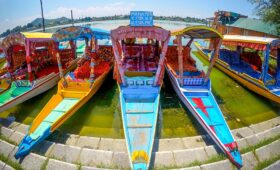
Kashmir in Winter Guide 2025 & 2026 | Snow Trip, Gulmarg Winter Tour & Travel Tips
By: JKL Travels | October 2025
Why Visit Kashmir in Winter
Kashmir is called “Paradise on Earth” not just for its summer beauty, but its winter magic. Snow-blanketed peaks, frozen lakes, quiet valleys, fewer crowds, and those postcard views — winter offers a different, more intimate charm. For snow lovers, photographers, couples, or anyone wanting a change of pace, Kashmir in winter has something unforgettable.
Winter Weather & Snow Pattern in Kashmir
Snow Season Timing
-
Snowfall typically begins in late November in high-altitude areas (e.g. Gulmarg, Sonamarg, Pahalgam).
-
By December, snow becomes more regular; Srinagar and valleys often see the first substantial snow by mid- or late-December.
-
January is generally the peak snow month, especially with the period known locally as Chillai-Kalan (from ~21 December to ~29 January) when cold is harshest and snow is deepest.
-
February continues to be snowy, especially in higher reaches, though with gradually milder daytime temperatures and clearer skies.
-
By early March, snow starts melting in lower altitudes; higher elevations still hold snow.
Chillai Kalan: The 40-Day Cold
The period called Chillai-Kalan is central to understanding Kashmir’s winter intensity. It’s the coldest stretch of ~40 days (approx. Dec 21 – Jan 29) when temperatures drop sharply and snow that falls tends to stay. Frozen lakes, icy mornings, heavy snowfalls are typical if conditions are favorable.
Temperatures & Road / Access Realities
-
Valley temperature range in deep winter (especially Jan) often falls below freezing at night; in places like Gulmarg, Pahalgam, even colder. Daytime may hover just above freezing or a few degrees.
-
Roads to high-altitude spots can be blocked or restricted after heavy snow. Power/supply interruptions and cold challenges are part of the winter travel trade-offs. Always check recent weather & road condition updates.
Top Winter Destinations & Things to Do
Here are places & experiences that are especially magical in winter:
| Place | What Makes It Special in Winter | Activities / Highlights |
|---|---|---|
| Gulmarg | Heavy snow, ski slopes & ski lifts (Gulmarg Gondola up to Apharwat Peak), thick snow cover, excellent snow sports hub. | Skiing, snowboarding, snowmobile rides, gondola rides phase-1 & phase-2, snow treks, photography. |
| Srinagar | Snow over Dal Lake, frozen sections, Mughal Gardens under snow, tranquil houseboat stays. | Shikara rides (if lake not fully frozen), winter market strolls, houseboat with kangri or heating, Mughal garden walks in snow. |
| Pahalgam & Sonamarg | Snow in valleys, frozen rivers, scenic meadows, quieter winter vibe. | Snow walks, calm photography, winter treks (if accessible), exploring frozen vistas, cultural experiences. |
| Other high reaches | Zojila Pass, Apharwat, Thajiwas Glacier etc. more reliably snowy. | Adventure & snow experiences, higher snow accumulation, dramatic landscapes. |
Sample Winter Itinerary Ideas
Here are a couple of sample itineraries for winter Kashmir. These assume you arrive in Srinagar; you can adjust based on your arrival point / duration.
A. 3-Day Winter Escape
-
Day 1: Arrive in Srinagar. Settle in houseboat / hotel. Afternoon: Mughal Gardens under snow (if weather has allowed snowfall), houseboat stay with dinner.
-
Day 2: Head to Gulmarg early. Enjoy gondola rides, snow sports (skiing if available), walk in snow-covered pine forests. Return to Srinagar or stay overnight in Gulmarg.
-
Day 3: Explore local Srinagar — Hazratbal Shrine, old city, frozen Dal Lake scenes / shikara ride if possible. Depart.
B. 5-Day Winter Tour
-
Day 1: Arrival, Srinagar houseboat, acclimatization.
-
Day 2: Sightseeing in Srinagar: Gardens, Pari Mahal, old markets.
-
Day 3: Gulmarg: snow sports, adventure or relaxing in snow. Overnight stay.
-
Day 4: Sonamarg / Pahalgam (choose based on access & snowfall) — enjoy snow walks or scenic drive, frozen rivers etc.
-
Day 5: Return to Srinagar; evening relaxed, shopping, cultural evening. Depart.
How to Prepare: Packing, Logistics & Safety
-
Clothing: Multiple layers, thermal inners, insulated jackets, wool gloves, hats, warm socks, waterproof shoes or boots.
-
Gear: Sunglasses (snow glare), sunscreen, lip balm, moisturizers. Power banks, torch.
-
Lodging: Stay in places with heating or with kangri / room heaters; houseboats with heating are better.
-
Local travel & roads: Use vehicles that are winter-equipped; chain/tyre grip may be needed on snowed roads. Keep alternate routing & buffer time.
-
Health & safety: Cold can be harsh; ensure you have medicines, stay hydrated, avoid overexertion. Be cautious of altitude sickness in high places.
-
Booking & availability: Winter is peak for snow, but some services might be reduced (certain trails/ passes might close). Book accommodations, permits, transport in advance.
Cost & Stay: What to Expect
-
Stay options tend to be more expensive in peak snow periods (mid-December to February). Deluxe resorts in Gulmarg, winter-ready hotels, heated houseboats fetch premium.
-
Lesser cost if staying in Srinagar, lower altitudes, or during early/late winter.
-
Transport costs may be higher (snow driving, need specialized vehicles). Some cost for snow-gear / entry / ski access.
-
Meals often costlier in remote high-snow areas due to logistics.
FAQs
Q: Which is the snowiest month in Kashmir?
Answer: Generally, January is the snowiest month in Kashmir, especially for the Valley, higher slopes, and places like Gulmarg. This is part of the Chillai-Kalan period, when snow falls more heavily and temperatures dip lowest. December (especially mid/late) and February also see heavy snowfall, but January is typically the peak.
Q: Is Kashmir open in December / January?
Answer: Yes — Kashmir is open for tourism in December and January. Many winter resorts, hotels, houseboats, tour operators offer full services during this time. However, access to certain high-altitude passes or remote locations may be limited or subject to weather-related closure. Roads, gondola phases, and snow-sports may depend on snowfall levels and safety conditions. So while the region is open, flexibility, early bookings, and weather awareness are very important.
Other FAQs:
-
How cold does it get? Night temperatures often drop below freezing; daytime may be around 0-5°C in valley, colder higher up.
-
Are snow-activities available? Yes — skiing, snowboarding, sledging, snow walks, photography, frozen lakes etc. Especially in Gulmarg, Sonamarg, Pahalgam.
-
Will Dal Lake freeze? Parts of it may freeze, especially shallow edges; full freezing is rare but sections do frost or freeze during the coldest days.
Why Travel Winter Kashmir with JKL Travels
-
We monitor real-time snow & road updates so your tour isn’t disrupted.
-
We select winter-ready accommodations (heated rooms, houseboats with heating / kangri, etc.).
-
We arrange winter-friendly transport & backup plans.
-
Experienced guides who know local weather patterns, safe routes, snow condition.
-
Curated winter activities: ski passes, gondola rides, snow walks, cultural winter events.
Think, Search, Book
If you’re dreaming of Kashmir’s snowy magic:
-
Check out our specially designed Kashmir Winter Packages → www.JKLTravels.com/kashmir-winter-packages
-
Let us know your travel dates, how many days, and what style (romantic, adventure, relaxed)
-
We’ll send a custom winter itinerary, cost estimate, and options for stays in Gulmarg, Srinagar, & Pahalgam
Bundle your flights, warm clothes, and excitement — Kashmir in winter is waiting.